
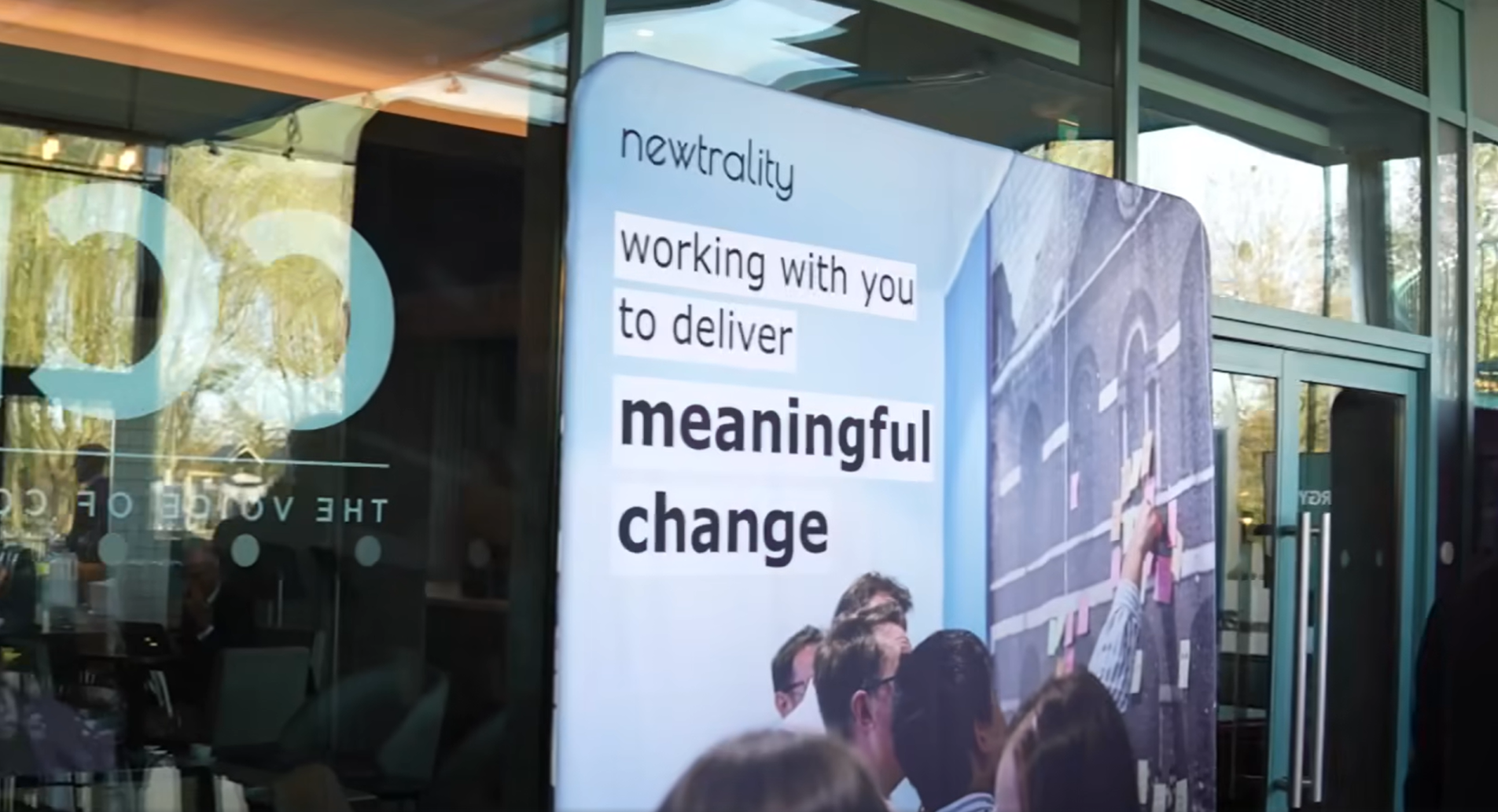
Last week, we joined county and unitary council leaders in Marlow for the County Councils Network (CCN) Annual Conference. From the opening address to the questions from council leaders, we heard how funding pressures, devolution and reorganisation are playing out in different places.
Here are five themes we took away from the conference and what they mean for councils and their partners.
1. Immediate financial pressures are impacting long-term investment
One of the clearest examples was support for children with special educational needs and disabilities (SEND). CCN Chair, Cllr Sean Matthews called for action on remaining SEND deficits and better funding for prevention in children’s services. Economist Paul Johnson put those concerns in the wider context of inflation, rising debt interest and pressure on public spending.
What stood out to us was the challenge of doing both at once. Councils need to meet the needs of children and families who rely on services today, while finding the capacity to invest in earlier and more joined up support that could improve outcomes over time.
2. Devolution raised questions about who makes decisions and who pays
There was a clear case for giving places more flexibility to make decisions about investment. Transport was one example where greater local discretion could help authorities respond to what their areas need. The questions from council leaders also brought out some of the harder choices, including how to reward local growth while protecting places with a weaker tax base or a sudden loss of revenue.
For us, the discussion reinforced the importance of spelling out how devolution will work in practice. When an investment spans several council areas, who makes the decision, who funds it and who is responsible for delivery?
3. Counties need to make savings while keeping the capacity to deliver reorganisation
For county councils facing an extra year before local government reorganisation (LGR), the immediate challenge is to deliver savings and keep services running while preparing for the transition. Some of the teams and systems under pressure to make savings may be the same one's councils will rely on to deliver reorganisation or provide stability into a new organisation.
A reduction might help meet a savings target now, but it could also leave the council short of the people and expertise it needs to plan and deliver the transition. Capacity can take time to rebuild, especially where several councils need the same skills at the same time.
The difficult judgement is deciding which savings can be made now and which capabilities need to be protected. Looking at savings plans alongside LGR plans can help councils spot those trade-offs early and identify where they may need extra support.
4. The housing debate brought local need into focus
Paul Johnson made the case for increasing the overall supply of homes. In the Q&A, a council leader pointed to growing demand for social housing and asked how places can secure the right homes, in the right locations and of the right tenure.
That exchange stood out because it showed how a national ambition translates into local decisions. Councils and their partners must consider who will be able to afford the homes being built and whether those homes are in places that work for the people who need them.
5. Geography matters when designing services
CCN’s neighbourhood health report, launched at the conference, gave a practical example of why delivery looks different in county, rural and coastal areas. Where communities are dispersed and journeys are longer, a neighbourhood health centre may need to work alongside mobile services or outreach to bring care closer to residents. That requires councils, health partners and voluntary organisations to plan together around how people actually access support. Read CCN’s neighbourhood health report.
Across these conversations, we kept coming back to what reform will mean for residents in their own area. As councils and their partners work through the next decisions, there is already work they can do together: agree what people need from their services, understand where organisations depend on each other and identify what needs to keep working through any change.