
NCASC 2025: Key Themes and Insights for Children’s and Adults’ Social Care
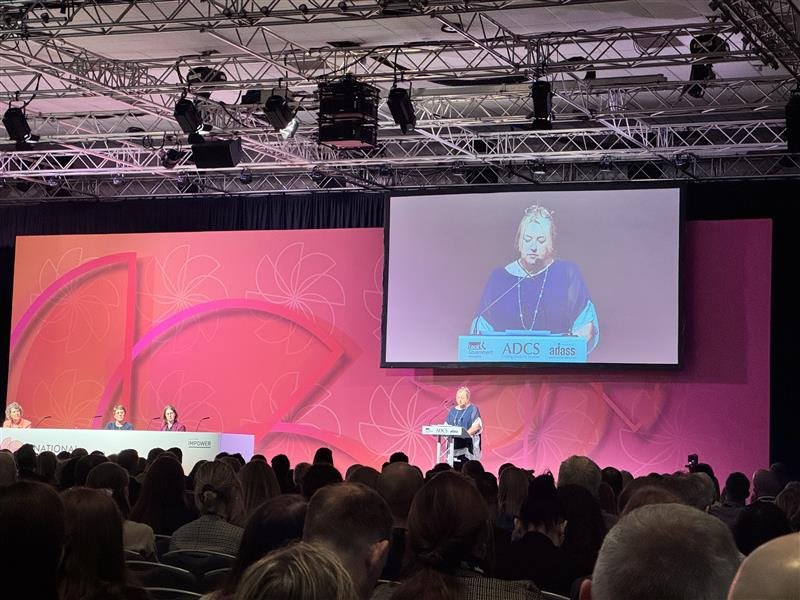
NCASC 2025
The Newtrality team attended NCASC 2025, the leading national conference for children’s services, adults’ services and local government improvement.
As councils continue to navigate rising demand, financial pressure and workforce challenges, NCASC remains a vital space for sharing learning and practical solutions.
Below, we share our key insights from the event — focused on what matters most for social care leaders, commissioners and improvement teams in 2025.
1. Storytelling is becoming a critical tool in social care leadership
A standout theme at NCASC 2025 was the importance of storytelling in children’s and adults’ services.
Speakers highlighted the need for councils to use stories to:
build public understanding of social care pressures
support political leaders to make informed decisions
celebrate improvements and innovation
amplify lived experience
Hearing directly from Experts by Experience was one of the most powerful parts of the conference. Their contributions reinforced a core insight: narrative clarity is essential for improving outcomes and influencing change.
2. Personalisation and inclusion are driving measurable improvements
Local authorities shared examples of how personalisation, inclusive practice, and strengths-based approaches have improved outcomes for children, families and adults.
Common themes included:
designing services around individual needs
building stronger community connections
improving independence and wellbeing
reducing long-term demand through early, personalised support
These insights align with what we see across our work:
when services are designed around people, not processes, outcomes improve and systems become more sustainable.
3. Co-production and collaborative problem-solving are gaining momentum
NCASC 2025 emphasised the growing role of co-production in social care improvement.
We took part in several interactive sessions that showcased:
shared problem-solving
collaborative design techniques
lived experience involvement
multi-disciplinary working
A highlight was learning about Solution Cycles from Southampton City Council — a structured, collaborative approach that brings staff together to tackle complex problems at pace.
Approaches like this demonstrate how collaboration across systems creates momentum and supports sustainable change.
4. Sector pressures continue to intensify — but so does commitment
Key challenges surfaced across sessions included:
increasing demand across children’s and adults’ social care
recruitment and retention difficulties
rising placement costs
high financial pressure on councils
growing complexity of need
Despite these pressures, NCASC 2025 showcased a sector full of resilience, innovation and determination.
Leaders and practitioners continue to push for practical, achievable, human-centred improvement.
What NCASC 2025 means for councils and social care leaders
The strongest insights from the conference centred on:
storytelling and lived experience as tools for influence and understanding
personalisation as a route to better outcomes
co-production as a driver of sustainable change
collaboration across systems as essential for impact
practical, realistic solutions over theoretical models
These themes reflect how Newtrality partners with councils — listening first, working collaboratively, and focusing on what works in real-world contexts.
What is NCASC?
NCASC is the National Children and Adult Services Conference, the key annual event for leaders in children’s services, adults’ social care and local government improvement.
What were the key themes from NCASC 2025?
Key themes included storytelling in social care, personalisation, co-production, workforce challenges and collaborative approaches to improvement.
Why is NCASC important for councils?
NCASC provides vital space for councils to share learning, explore new approaches, and shape national conversations on social care reform and sustainability.
Conclusion: A sector that learns, adapts and leads
NCASC 2025 reinforced the need for practical, grounded, human-centred change.
If your organisation is exploring any of these themes, we’d be happy to support you.
Get in touch to continue the conversation.